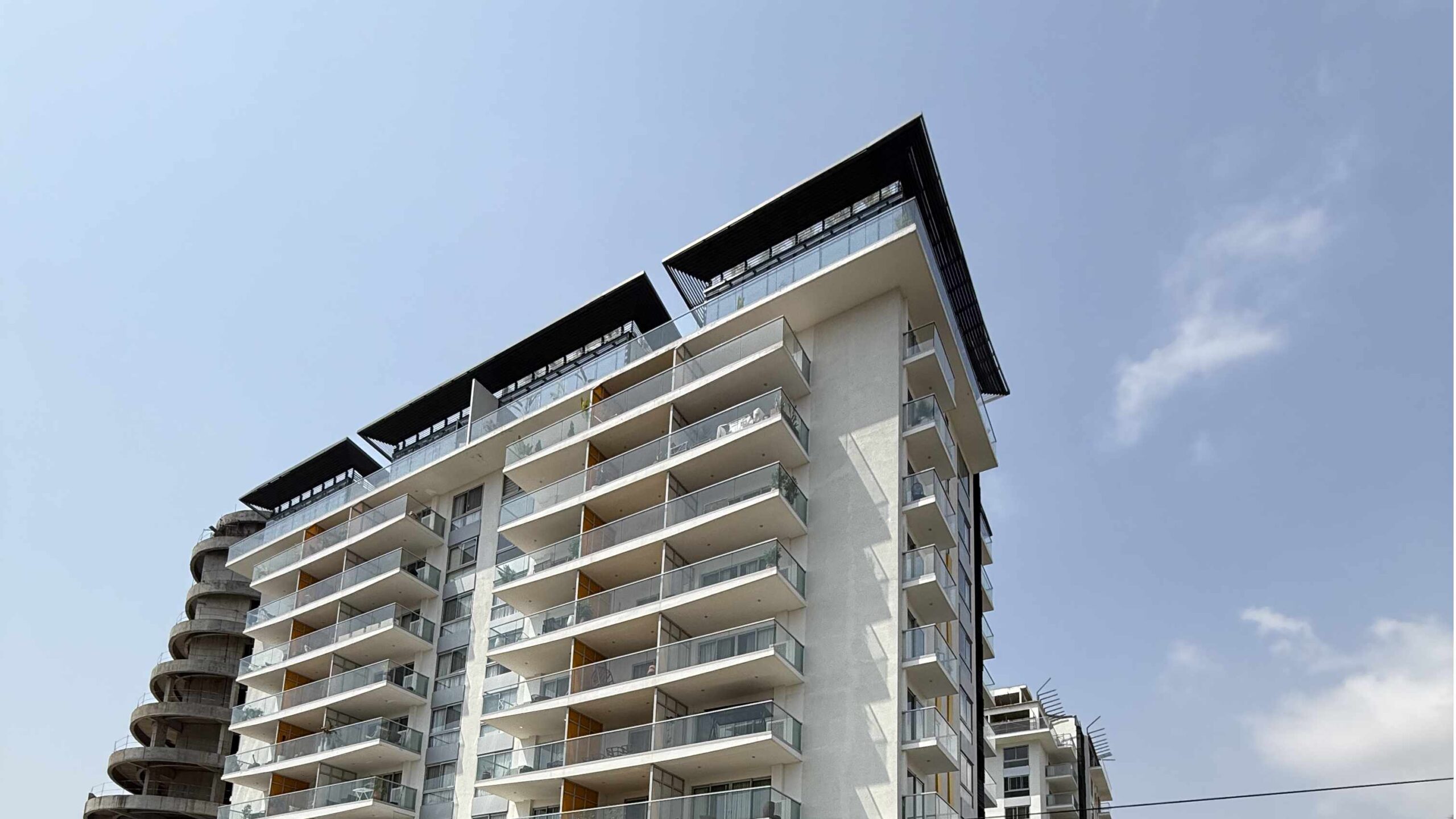

As West Africa’s real estate market undergoes a dramatic transformation, one developer is shifting the narrative from “standard builds” to “design-first icons.” Denya Developers, a leader in vertically integrated residential development, is leveraging two decades of international expertise to meet the demands of an increasingly sophisticated global clientele.
The Diaspora Factor: A Unique Market Driver

Unlike neighboring markets such as Nigeria or Ivory Coast, which are primarily driven by local demand, Ghana’s luxury sector is heavily influenced by its affluent global diaspora. According to Scot Murray, Managing Director of Denya Developers, this demographic is driving a substantial share of in-city sales and rental properties.
“Buyers are increasingly prioritizing quality construction,” says Murray. “The diaspora, in particular, expects homes that mirror the standards they see in London, New York, or Dubai. They aren’t just looking for four walls; they are looking for asset longevity and international-grade finishes.”
A “Design-First” Vertical Model

Denya Developers’ success is rooted in its vertical integration. As a subsidiary of the Mauritius-based Pragnya Group, which boasts over 20 years of experience and 40 high-rise projects globally, Denya Developers controls every stage of the process: from initial concept and architectural design to construction and property management.
This “all-under-one-roof” approach allows the company to offer what many competitors cannot: a 10-year structural warranty and a 5-year waterproofing guarantee. This focus on engineering excellence addresses a major pain point in the local market: the rapid deterioration of luxury buildings.
The “Dual Bottom Line”: Engineering for Sustainability
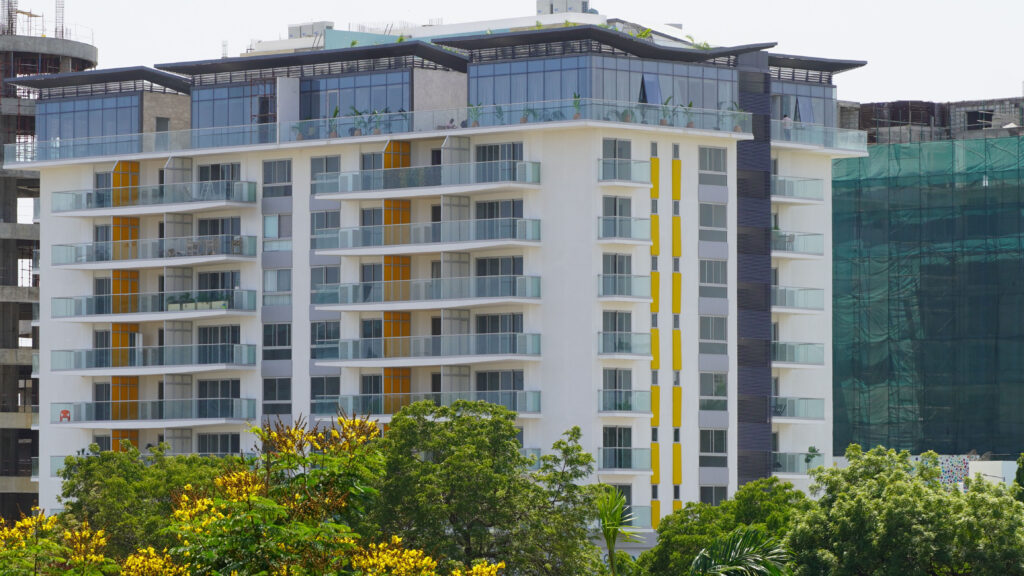
In an era of rising utility costs, Denya Developers has pioneered a “dual bottom line” approach to sustainability. By integrating green engineering into the blueprint of projects like The Pavilion, the developer is reducing the environmental footprint while simultaneously lowering costs for homeowners.
The company avoids polluting materials such as gypsum and focuses on strategic glazing orientations to reduce thermal loading. Combined with solar-assisted energy and high-efficiency water systems, these features ensure that “luxury” also means “efficiency.”
Resort-Style Living: The Pavilion and Beyond

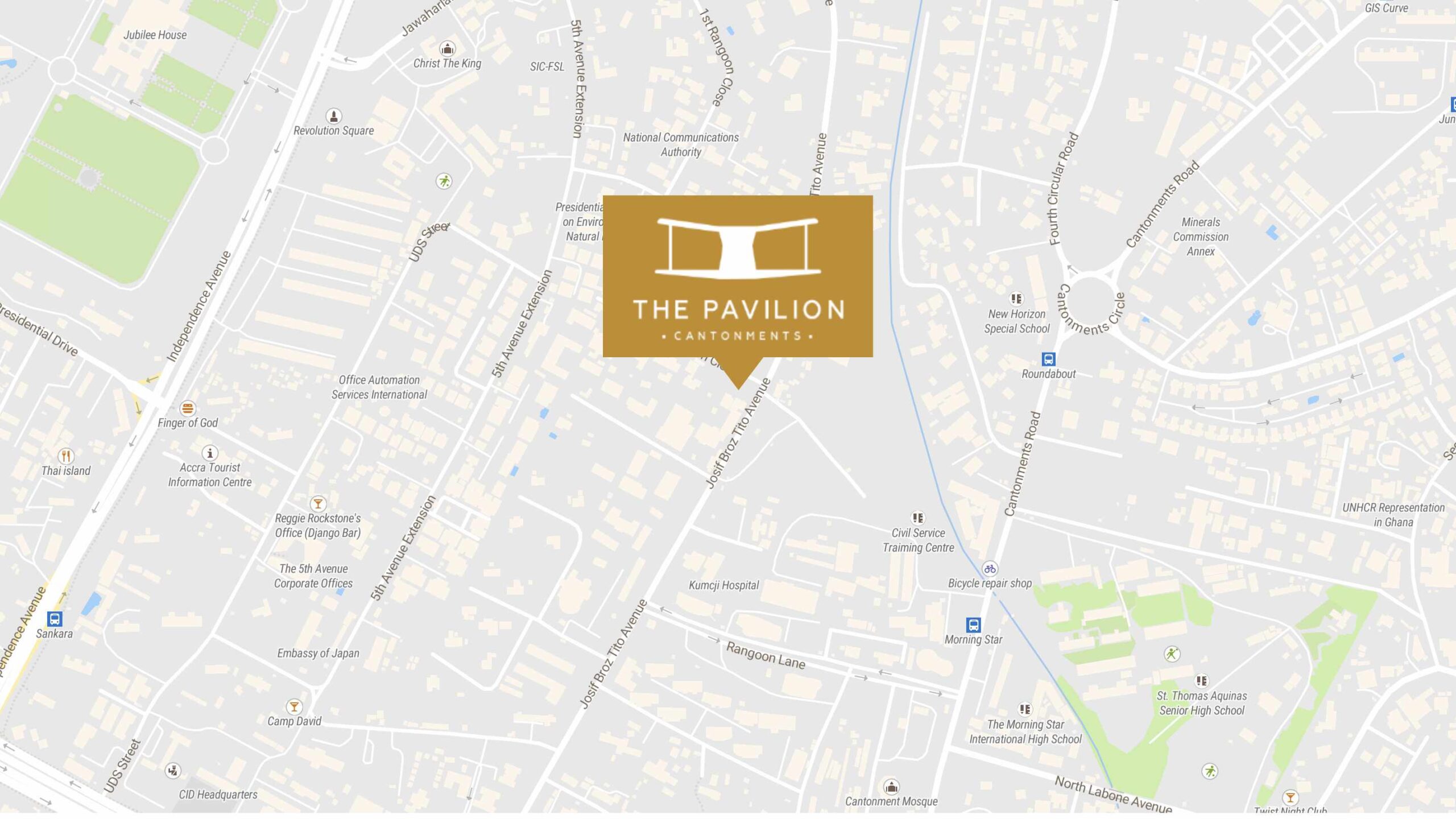
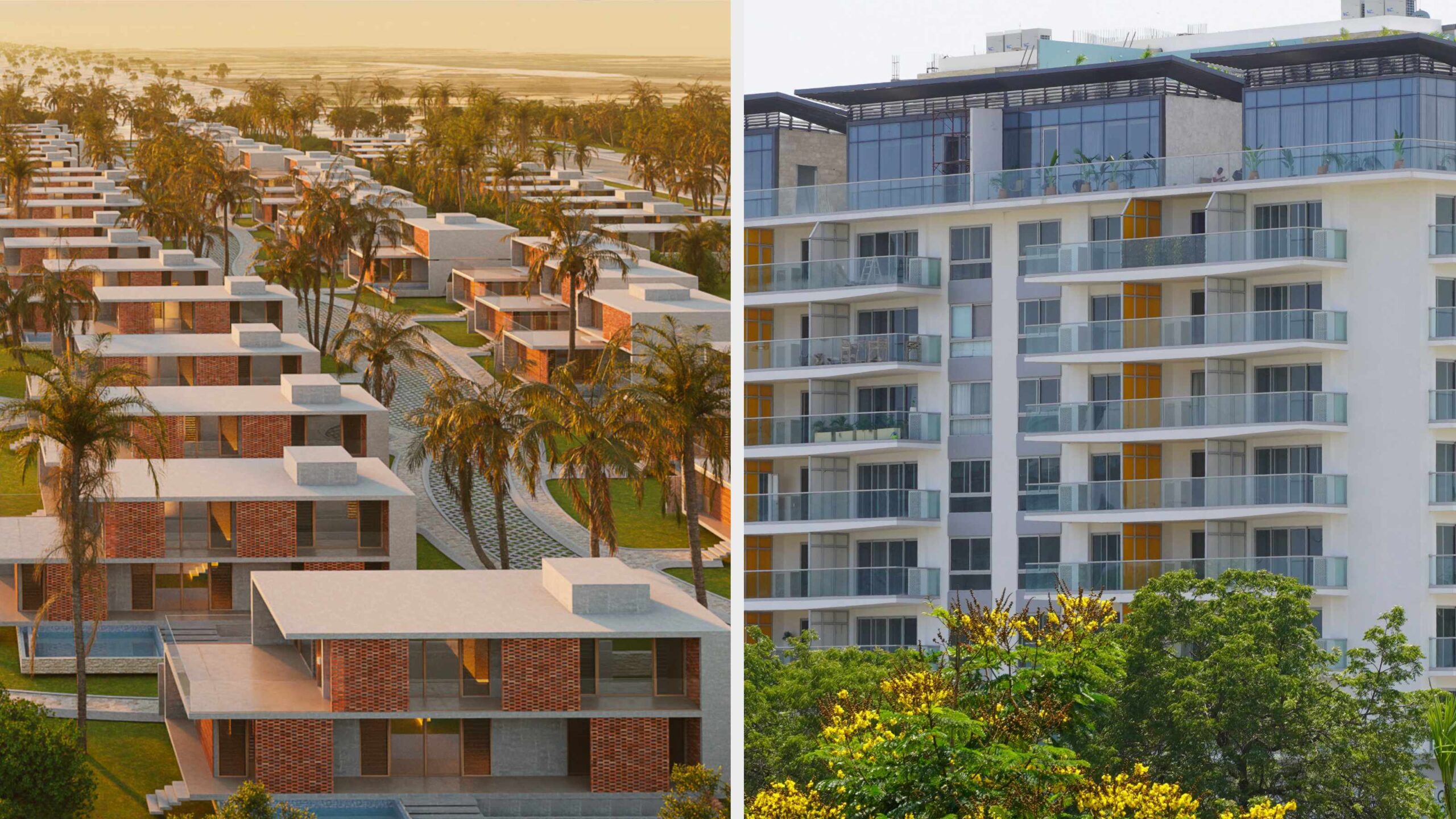
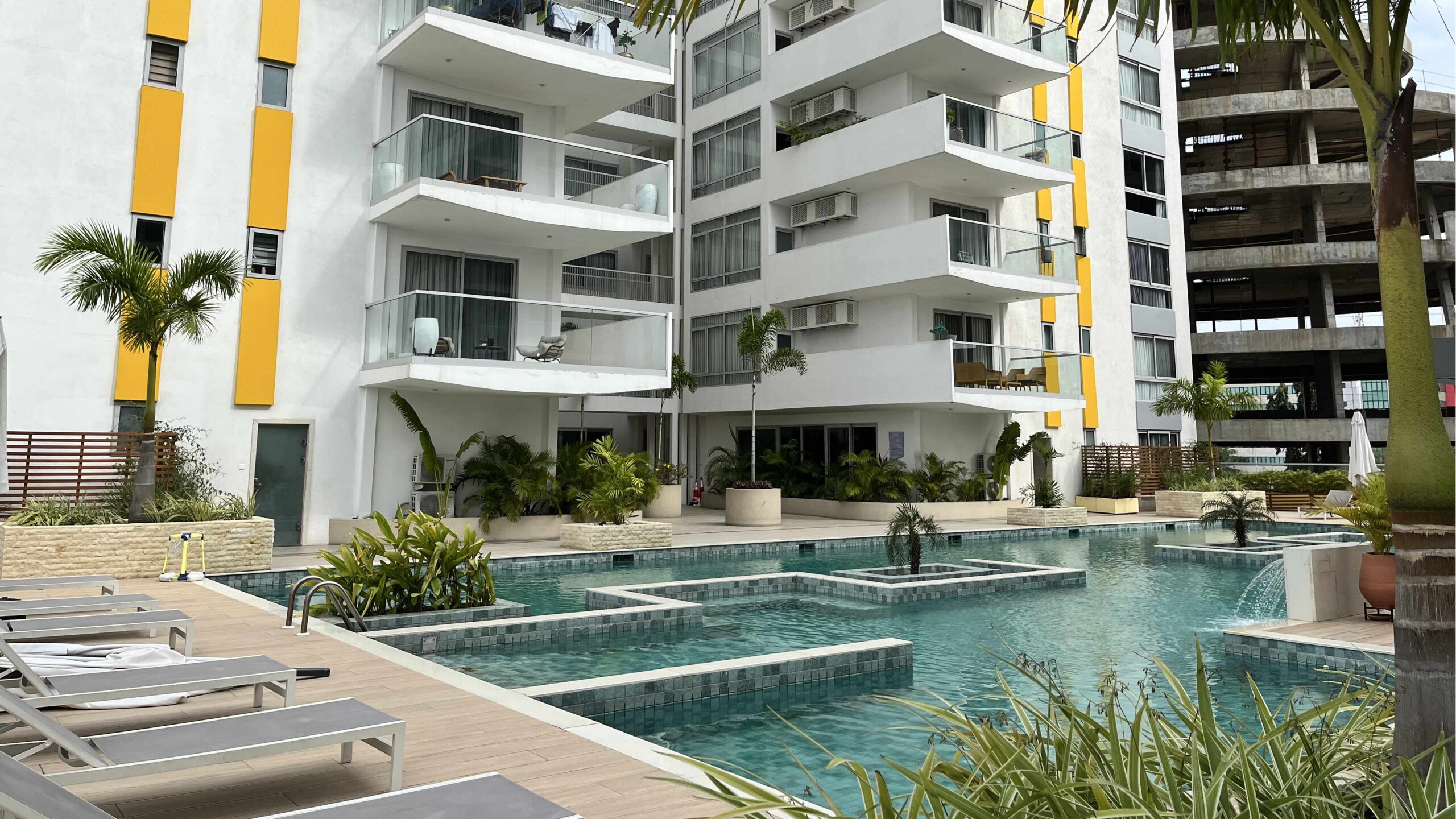
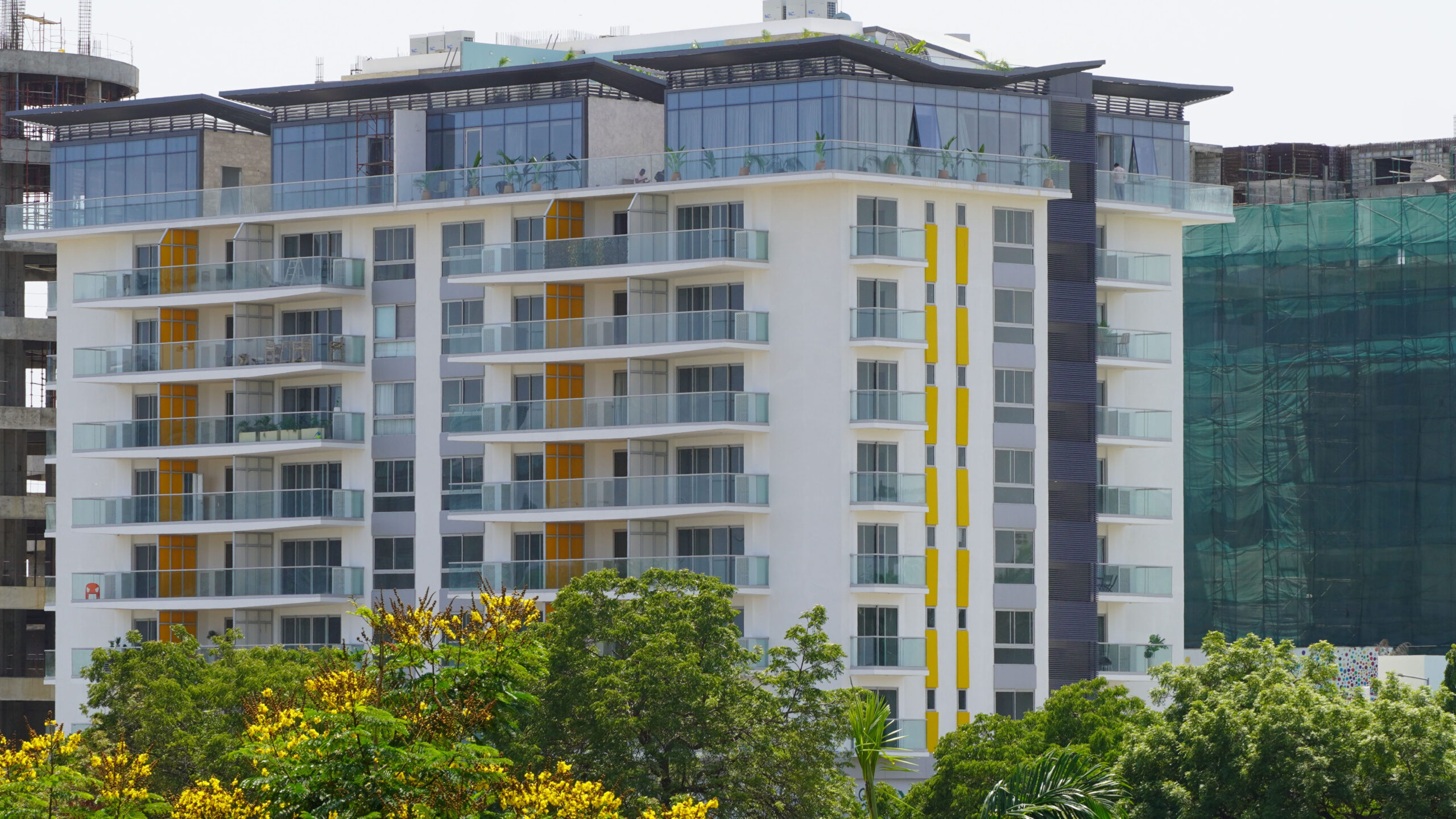
The brand’s latest flagship, The Pavilion in Cantonments, exemplifies their “Vacation Living” philosophy. With 144 residences, the development features four swimming pools, a rooftop social deck, restaurant, co-working spaces and a dedicated in-house hospitality team.
“We want to deliver a resort-like lifestyle at home,” Murray explains. “By upskilling our on-site teams, we ensure that the service level matches the physical beauty of the building.”
The company is also addressing the “shoebox” trend in Accra. While many developers are shrinking apartment sizes to lower entry prices, Denya’s 1-bedroom units start at a spacious 72sqm, nearly double the market average at a similar selling price to the competition. This focus on space ensures that the properties remain competitive in the long-term rental market.
What’s Next: Coastal Luxury and Record-Breaking Towers

This year (2026) marks a bold expansion for the firm. Beyond completing Phase 2 of The Pavilion, Denya Developers is set to break ground on the MyGoi beachfront development, marking its first foray into coastal luxury.
Even more ambitious is the unveiling of a new inner-city residential project slated to be the company’s tallest and largest to date. “These initiatives reflect our ambition to redefine luxury living in Ghana,” Murray concludes. “We intend to ensure that more people are aware of the excellence our team is delivering.